

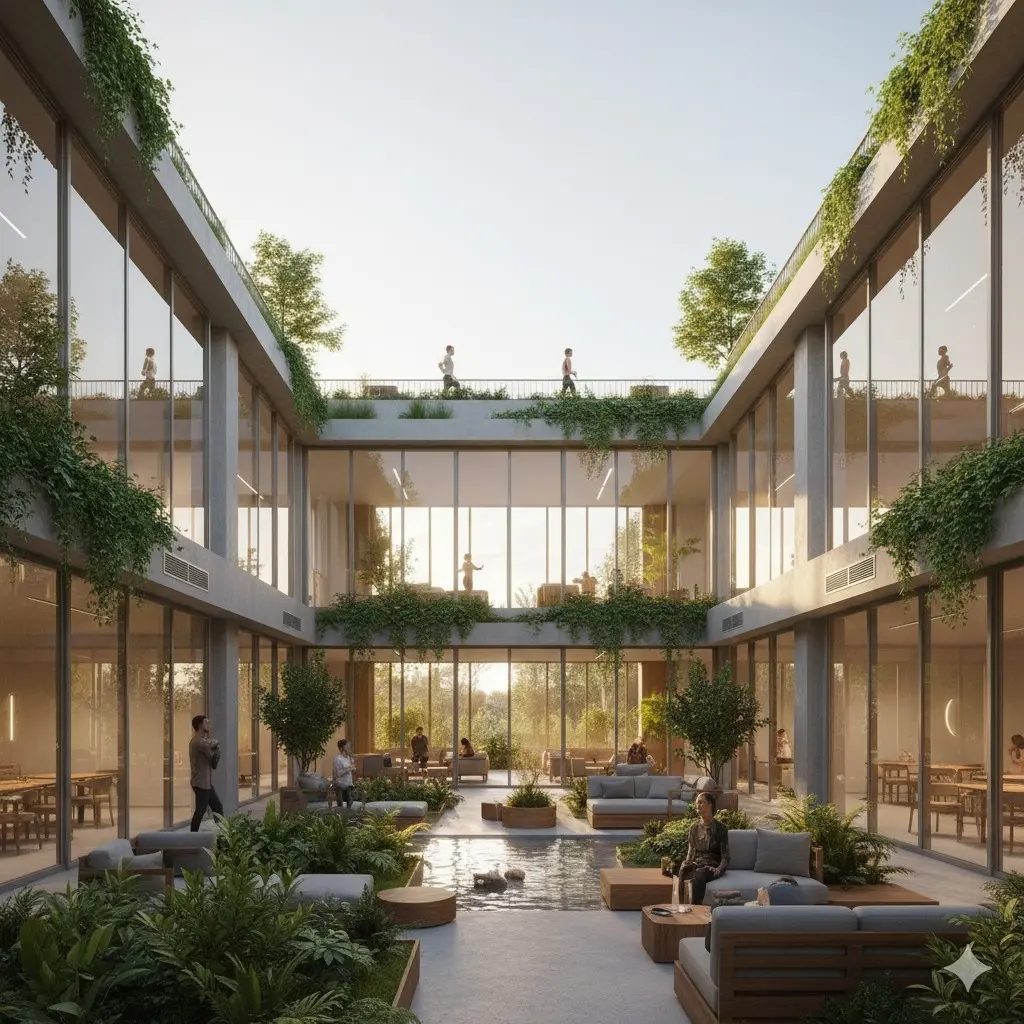
Mental health is no longer treated as a private issue that stays outside the property market. Investors, developers, employers, and even city planners are now factoring emotional well-being into how buildings are designed, priced, and managed. That shift is changing real estate investment worldwide in ways many people probably didn’t expect five years ago.
Mental health is reshaping real estate investment worldwide because people now prioritize healthier living and working environments. Investors are putting money into properties with natural light, wellness amenities, green spaces, flexible layouts, and stress-reducing design features because these properties attract tenants faster, improve retention, and often produce stronger long-term returns.
What Is Mental Health-Focused Real Estate?
Mental health-focused real estate refers to properties intentionally designed to improve emotional well-being, reduce stress, and support healthier lifestyles. That includes homes, offices, hotels, healthcare facilities, and mixed-use developments built around wellness principles.
Here’s the thing: real estate used to revolve around one big phrase — “location, location, location.”
Now there’s another factor quietly influencing investment decisions: how a place makes people feel.
A poorly designed apartment with no sunlight, noise pollution, and cramped layouts can affect sleep, anxiety, and productivity. Meanwhile, buildings with access to greenery, social areas, air quality systems, and calming architecture often command higher demand.
That’s not theory anymore. It’s becoming investment strategy.
Definition Box
Mental Health Real Estate: Property development and investment focused on improving emotional wellness, stress reduction, and healthier living environments through design, amenities, and community planning.
Why Mental Health Is Reshaping Real Estate Investment Worldwide in 2026
The global real estate market in 2026 looks very different from what investors saw before remote work, rising burnout rates, and changing lifestyle expectations.
People don’t just want a roof over their heads anymore. They want spaces that support focus, sleep, relationships, and balance.
That change is affecting several sectors at once.
Residential Real Estate Is Becoming Wellness-Centered
Buyers and renters increasingly choose homes based on emotional comfort rather than square footage alone.
In my experience, developers who ignore this shift are already falling behind in competitive urban markets.
Features that used to feel optional now influence purchasing decisions directly:
Quiet zones inside buildings
Access to parks and nature
Meditation or wellness rooms
Better ventilation systems
Community-oriented shared spaces
Flexible work-from-home layouts
What most people overlook is that these additions aren’t just lifestyle upgrades. They can directly affect occupancy rates and property appreciation.
A family might pay slightly more for an apartment with daylight-focused design and nearby walking areas because it genuinely improves daily life.
That emotional value has financial value attached to it.
Office Spaces Are Being Redefined
Commercial real estate saw a massive shift after companies realized employee well-being affects retention and productivity.
Large corporations now seek office spaces designed around mental wellness instead of squeezing as many desks as possible into a floor plan.
Developers are responding with:
Biophilic design
Relaxation spaces
Outdoor work areas
Sound-controlled meeting zones
Hybrid work flexibility
Wellness certifications
One surprising trend is that smaller but healthier offices sometimes outperform larger traditional workspaces financially because companies prioritize employee satisfaction over raw capacity.
That would've sounded strange a decade ago.
Hospitality and Mixed-Use Developments Are Expanding
Hotels and lifestyle properties are also changing fast.
Travelers increasingly book spaces that promote recovery, mindfulness, and calm environments. Investors have noticed.
Properties with wellness-oriented amenities often generate stronger customer loyalty and repeat visits. That includes resorts with nature integration, healthier dining concepts, and tech-free relaxation areas.
Mixed-use communities are also booming because people want shorter commutes and stronger neighborhood connections. Isolation has become a real concern in modern urban living.
And honestly, loneliness might become one of the biggest hidden drivers of future property design.
How to Invest in Mental Health-Focused Real Estate — Step by Step
Investing in this trend isn’t only for massive institutions. Smaller investors can adapt too.
1. Identify Wellness-Driven Markets
Start by researching cities where quality of life is becoming a priority.
Look for areas investing in:
Green infrastructure
Public parks
Walkability
Healthcare access
Community-centered housing
Cities promoting healthier lifestyles often attract younger professionals and long-term renters.
2. Analyze Tenant Preferences
Don’t just study rental prices.
Study behavior.
What amenities are tenants requesting? Are flexible layouts becoming common? Are renters asking about noise levels, balconies, or air quality?
These details matter more than many investors realize.
A property that supports emotional well-being can reduce tenant turnover, which improves cash flow stability.
3. Focus on Design Potential
Older properties can sometimes become strong wellness assets with the right upgrades.
Simple changes may include:
Improving natural lighting
Adding green areas
Creating quiet communal spaces
Enhancing ventilation
Reducing harsh artificial lighting
You don’t always need a luxury tower to align with wellness investment trends.
4. Prioritize Community Features
One counterintuitive point: people often value community interaction more than flashy amenities.
A modest residential project with gardens, social seating, and shared outdoor areas may outperform a high-end building that feels emotionally cold.
That’s something many investors still underestimate.
5. Track Long-Term Demand Trends
Mental wellness isn’t a temporary buzzword anymore.
Rising stress levels, remote work culture, aging populations, and urban density challenges suggest this demand will probably continue growing for years.
Smart investors are thinking beyond short-term returns.
The Biggest Misconception About Wellness Real Estate
Expensive Luxury Features Aren’t Always Necessary
A lot of people assume mental health-focused real estate means ultra-premium developments with spa centers and expensive architecture.
Not really.
Sometimes the most effective improvements are simple and practical.
Natural airflow. Better sound insulation. Shared green spaces. More sunlight. Human-centered layouts.
I’ve seen relatively affordable housing projects outperform luxury developments simply because residents felt calmer and more connected there.
That emotional response matters more than glossy marketing brochures.
Expert Tips and What Actually Works
Here’s my hot take: many developers still confuse “luxury” with “wellness.”
They’re not the same thing.
A rooftop infinity pool looks impressive in advertisements, but if residents still experience noise stress, poor air quality, and isolation, the property won’t truly support mental wellness.
What actually works tends to be less flashy.
Developments designed around daily comfort often create stronger long-term value than properties focused entirely on visual prestige.
Expert Tip
Investors should pay close attention to local demographics. Younger renters and remote workers are especially drawn toward properties that support work-life balance and emotional health. In many cases, wellness-focused design creates stronger tenant loyalty than expensive cosmetic upgrades.
I remember speaking with a small property owner who renovated an aging apartment building by improving lighting, adding shared garden seating, and reducing hallway noise. Occupancy increased within months. Renters stayed longer too.
No luxury gym. No extravagant redesign.
Just a better living experience.
Why Institutional Investors Are Paying Attention
Large investment firms are entering the wellness property sector because healthier environments are increasingly linked to stable returns.
That connection matters.
Properties that attract long-term tenants generally reduce operational risk. Investors care about predictability, and wellness-oriented spaces often deliver it.
Several global trends are accelerating this movement:
Mental health awareness
Aging populations
Hybrid work culture
Rising urban stress
Preventive healthcare spending
Demand for healthier lifestyles
Real estate investment strategies are adjusting accordingly.
Some investment groups now evaluate environmental psychology alongside traditional property metrics. That would've sounded overly academic years ago, but not anymore.
Real-World Example: Residential Communities
Imagine two apartment complexes in the same city.
One offers larger parking areas and flashy interior finishes. The other includes walking paths, natural landscaping, quiet workspaces, and community gathering zones.
The second property might actually see better tenant retention despite slightly smaller units.
Why?
Because residents often stay where they feel emotionally comfortable.
That emotional factor influences renewals, referrals, and long-term property value more than some investors expect.
What Most Investors Still Miss
Many investors continue focusing heavily on hard metrics while ignoring emotional experience.
But buildings affect behavior.
Lighting impacts sleep patterns. Noise affects stress. Isolation changes mental health outcomes. Community interaction influences happiness and productivity.
These aren’t abstract ideas anymore. They increasingly shape consumer demand.
Properties designed for human well-being may eventually become the market standard rather than a niche trend.
That shift is already starting.
People Most Asked About Why Mental Health Is Reshaping Real Estate Investment Worldwide
How does mental health affect property investment?
Mental health influences tenant preferences, workplace productivity, and lifestyle decisions. Properties that support emotional well-being often attract stronger demand and longer occupancy periods.
Why are wellness amenities becoming popular in real estate?
People want healthier daily environments. Features like green spaces, natural light, quiet zones, and wellness areas improve comfort and reduce stress, making properties more appealing.
Is wellness real estate only for luxury markets?
No. Affordable housing projects can also benefit from wellness-focused design. Simple improvements like better lighting, ventilation, and community areas can significantly improve resident satisfaction.
Are office buildings changing because of mental health concerns?
Yes. Many companies now prioritize employee well-being when selecting office spaces. Healthier workplaces can improve retention, productivity, and overall job satisfaction.
What sectors benefit most from wellness-focused real estate?
Residential housing, office spaces, hospitality properties, healthcare facilities, and mixed-use developments are seeing major growth in wellness-centered investment strategies.
Will mental health remain a long-term real estate trend?
Most likely, yes. Demand for healthier environments continues growing because of remote work, urban stress, lifestyle changes, and increased mental health awareness globally.
How can small investors adapt to this trend?
Small investors can focus on practical upgrades like natural lighting, quiet environments, green areas, and community-friendly layouts. These improvements may increase tenant retention and property appeal.
Final Thoughts
Why Mental Health Is Reshaping Real Estate Investment Worldwide comes down to one simple reality: people are choosing environments that improve how they live, work, and feel.
That emotional shift is influencing property values, tenant expectations, office design, hospitality trends, and long-term investment strategies across global markets.
Investors who understand the human side of real estate will probably have an advantage moving forward because modern buyers and renters aren’t just paying for square footage anymore.
They’re paying for peace of mind.
If you need stronger online visibility for your business, our network platforms like PR Wires and Rank Locally UK help brands gain high authority backlinks, wider media coverage, improved SEO ranking, and consistent organic traffic through instant publishing solutions, digital marketing services, and strategic press release distribution services tailored for agencies, startups, bloggers, and growing businesses.