

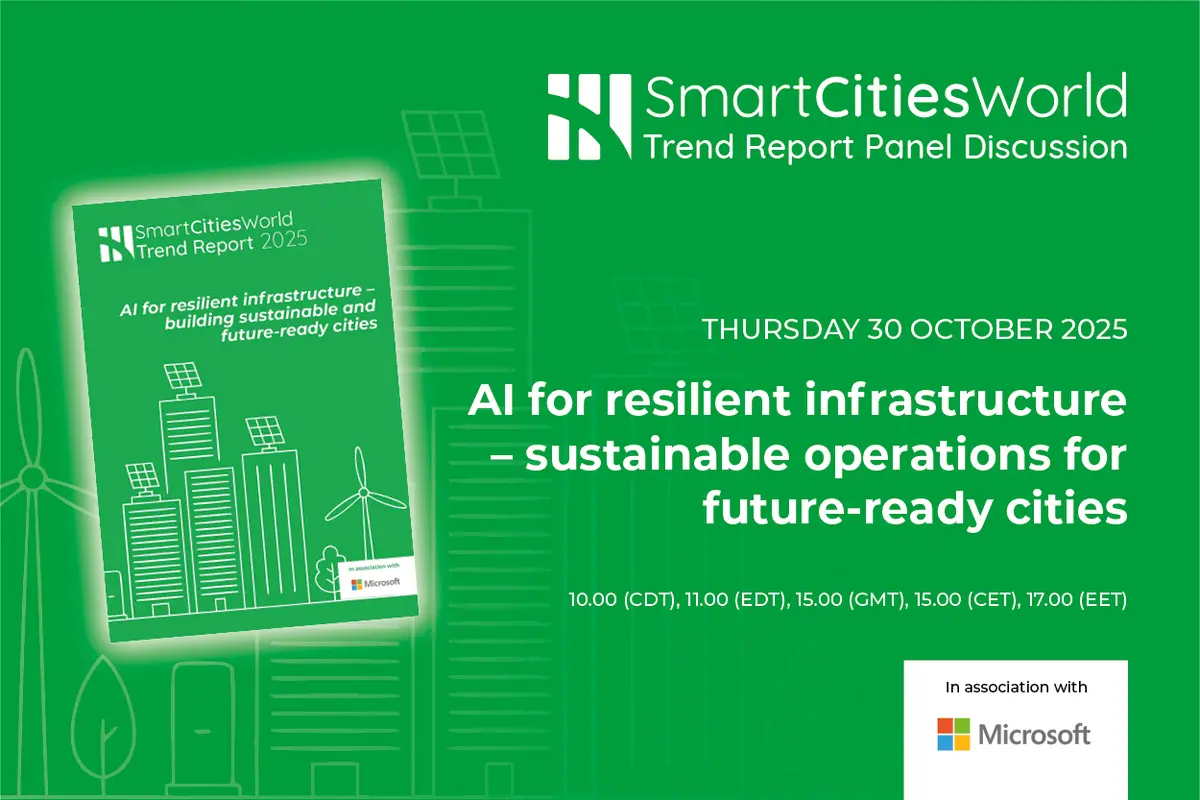
Artificial intelligence is rapidly becoming the backbone of resilient urban infrastructure, driving a new era of efficiency, sustainability, and adaptability. As cities around the world face mounting pressures from climate change, population growth, and aging assets, the integration of AI-powered digital twins offers a transformative path forward. These virtual replicas of physical systems allow urban planners and operators to simulate scenarios, optimize performance, and anticipate failures before they occur.
The concept of a digital twin goes beyond simple modeling. It involves real‑time data streaming from sensors, IoT devices, and operational systems into a dynamic simulation that mirrors the physical asset. For cities, this means that everything from traffic flow to energy consumption can be monitored and improved continuously. AI algorithms analyze patterns, detect anomalies, and recommend adjustments, enabling proactive rather than reactive management.
AI in Urban Transport Networks
One of the most promising applications lies in urban transport networks. By harnessing data from cameras, traffic signals, and connected vehicles, AI helps cities optimize routing, reduce congestion, and improve safety. Advanced analytics support both long‑term planning and day‑to‑day operations. For example, predictive models can forecast demand spikes during events or extreme weather, allowing transit authorities to adjust schedules and deploy additional resources. The result is a more fluid and reliable system that benefits commuters and reduces carbon emissions.
Passengers themselves experience tangible improvements. Real‑time information delivered via apps keeps them informed about delays, capacity, and alternative routes. AI‑powered ticketing systems can adjust fares based on demand, encouraging off‑peak travel and spreading load more evenly. These innovations depend on robust data integration and cross‑agency collaboration – a challenge that many cities are only beginning to tackle.
The Criticality of Interoperability and Human Oversight
Cristina Bueti of the International Telecommunication Union (ITU) has stressed that cities must prioritize interoperability, inclusivity, and human oversight now, before fragmented systems and vendor lock‑in define the future of urban AI. Without common standards, data silos will prevent the seamless exchange of information that makes AI effective. Inclusivity ensures that solutions serve all residents, not just those with access to the latest technology. Human oversight remains essential to maintain trust and accountability, especially when AI is used in safety‑critical decisions like traffic enforcement or emergency response.
Echoing this sentiment, Heinz von Eckartsberg of Woods Bagot and Pablo Sepulveda of Impact Future discussed designing cities for upstream resilience and downstream benefit. Upstream resilience means integrating flexible, adaptive features from the start – such as modular infrastructure that can be easily upgraded or repurposed. Downstream benefits include reduced maintenance costs, lower energy use, and improved quality of life for citizens. Their perspective underscores that resilience is not an add‑on but a fundamental design principle.
City Case Studies: Sunderland and Dublin
Sunderland, a city in the northeast of England, is repositioning itself as a leading smart city by leveraging digital infrastructure and low‑carbon innovation. The city has invested in a fiber‑optic network that forms the backbone for IoT sensors across public spaces. These sensors monitor air quality, waste levels, and energy usage, feeding data into a central platform that enables informed decision‑making. Sunderland’s approach focuses on building a resilient, future‑focused economy by attracting tech‑savvy businesses and enhancing the skills of its workforce. The city’s digital twin project, developed with partners, allows planners to simulate the impact of new developments before construction begins, reducing risk and cost.
Dublin offers another compelling example. The Irish capital has been innovating to improve experiences and services for its communities. Digital twin projects are used to model traffic patterns and test congestion‑reduction measures. The city also leads initiatives to reduce carbon emissions, such as expanding cycling infrastructure and electrifying its bus fleet. Economic growth is supported by a vibrant tech ecosystem, but Dublin’s leadership acknowledges that technology must be deployed thoughtfully to avoid exacerbating inequality. Community engagement is integrated into planning processes, ensuring that digital solutions meet real needs.
Smart Lighting as a Foundation
A particularly visible component of resilient urban infrastructure is smart lighting. The evolution of streetlights from simple fixtures to connected nodes offers a glimpse of what is possible. The first generation involved replacing high‑energy lamps with LEDs, achieving immediate energy savings. The next step added connectivity, allowing remote control and dimming based on time or activity. Today, intelligent lighting systems incorporate sensors that detect motion, air quality, and noise, turning lampposts into multifunctional platforms. In the second episode of a series on thriving cities, experts discuss how cities can turn existing streetlight networks into secure, interoperable, and future‑proof infrastructure. This transformation requires careful planning to ensure that the mesh networks used are scalable and standardised, avoiding the pitfalls of proprietary solutions.
Smart sensors themselves play a crucial role in improving indoor safety and sustainability. In buildings, sensor networks can detect smoke, gas leaks, or unusual temperature rises early, providing critical time for response. They also monitor occupancy to optimise heating, ventilation, and air conditioning, significantly reducing energy waste. When combined with AI, these systems learn occupancy patterns and predict maintenance needs, extending equipment life and reducing downtime.
The Role of Virtual Worlds and Global Collaboration
Looking ahead, the UN Virtual Worlds Day event aims to explore how AI, spatial intelligence, and the broader Citiverse ecosystem can be channeled into trusted, people‑centred outcomes. As Paul Wilson noted, these technologies offer unprecedented opportunities for collaboration, but they also raise questions about governance, privacy, and digital inclusion. Engaging in global conversations like this one helps ensure that the direction of urban AI is shaped by a broad range of stakeholders, not just technology vendors.
To support these efforts, access to timely information is essential. Many organisations now offer on‑demand webinars and newsletters that compile the latest developments in data strategy, sensor deployment, and digital twins. One webinar focuses on getting data strategy right for smarter sites and safer operations, while another examines how sensors, AI, and digital twins can shape the future of urban transport. These resources help city officials and practitioners stay informed about best practices and emerging trends.
Ultimately, the path to future‑ready cities requires a holistic approach that balances technological innovation with social and environmental priorities. AI and digital twins are powerful tools, but they are not ends in themselves. They must be embedded in a framework of interoperability, inclusivity, and human oversight. The examples from Sunderland and Dublin demonstrate that progress is being made, but scaling these solutions will demand continued investment, cross‑sector collaboration, and a willingness to learn from mistakes. Early successes in smart lighting and transport show what is possible when stakeholders align around a shared vision of resilience and sustainability.
Source: Smart Cities World News