

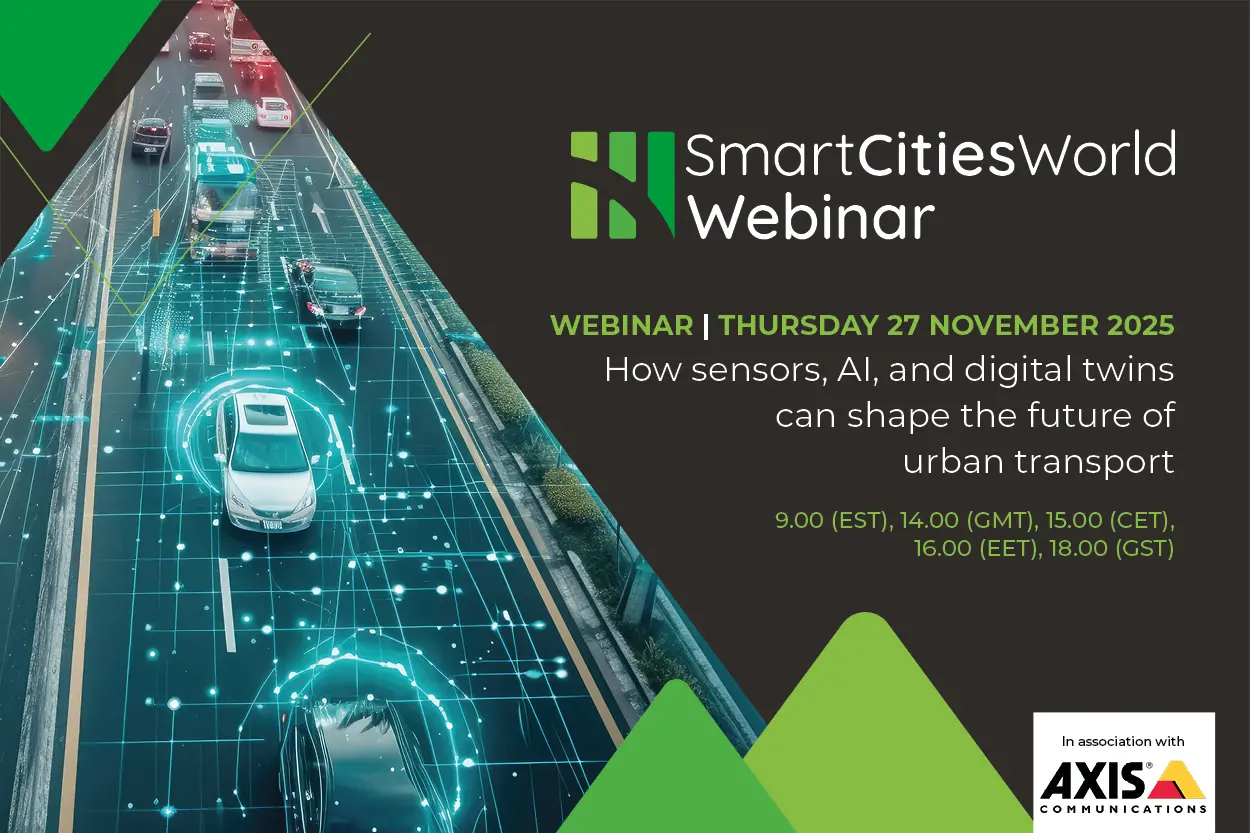
Introduction: The Convergence of Sensors, AI, and Digital Twins in Urban Mobility
The future of urban transport lies at the intersection of sensing technology, artificial intelligence (AI), and digital twin simulations. As cities worldwide grapple with congestion, emissions, and aging infrastructure, a new wave of innovation promises to make mobility safer, cleaner, and more efficient. Sensors embedded in roads, vehicles, and streetlights feed real-time data into AI algorithms that optimize traffic flows, predict maintenance needs, and even simulate the impact of new policies before they are implemented. Digital twins—virtual replicas of physical systems—allow planners to test scenarios, from adding a bike lane to introducing autonomous pods, without disrupting daily commutes. This combined approach is already being piloted in forward-thinking cities and is poised to define urban transport for decades to come.
How Digital Twins Are Transforming Urban Infrastructure
A digital twin is more than a 3D model; it's a dynamic simulation that mirrors a physical system's behavior in real time. In the context of transport, a digital twin can represent a city's entire road network, including traffic signals, public transit schedules, air quality sensors, and pedestrian flows. By feeding this virtual model with live data from IoT sensors, city planners can see how a traffic jam on one side of town might ripple across the entire network. They can simulate the effects of a new bus lane, a temporary road closure, or a change in speed limits before any physical work begins. This predictive capability saves money, reduces disruption, and helps cities become more resilient to shocks like extreme weather events or sudden spikes in demand.
The Role of AI in Optimizing Day-to-Day Operations
AI brings intelligence to the massive streams of data generated by urban sensors. Machine learning algorithms can identify patterns that humans might miss—for example, predicting which intersections are most likely to become congested at certain times of the day or detecting subtle changes in road surface conditions that signal the need for repairs. In public transport, AI can optimize timetables, match bus supply to demand in real time, and even guide autonomous shuttles through busy streets. Natural language processing tools can analyze social media feeds and service requests to give a real-time picture of commuter sentiment and emerging issues. The key is that AI does not replace human decision-making; it augments it by providing actionable insights that allow transport authorities to respond faster and more effectively.
Interoperability and Inclusivity: Essential Principles for Smart Cities
As cities integrate more advanced technologies, the risk of fragmentation grows. Different vendors, proprietary systems, and isolated data silos can undermine the very connectivity that makes smart cities work. Industry experts, including Cristina Bueti of the International Telecommunication Union (ITU), emphasize that cities must prioritize interoperability from the start. Open standards and common data formats allow different systems—traffic management, parking, public transit, emergency services—to communicate seamlessly. Equally important is inclusivity. Not every resident owns a smartphone or can afford on-demand mobility services. Policies must ensure that the benefits of digital transport improvements reach all segments of the community, including the elderly, people with disabilities, and low-income households. Human oversight remains crucial; algorithms can sometimes perpetuate bias or make errors that require human intervention, so transparency and accountability mechanisms must be built into every system.
Case Study: Sunderland’s Smart City Transformation
The UK city of Sunderland offers a compelling example of how digital infrastructure and low-carbon innovation can reposition a city economically. Once heavily reliant on traditional industries, Sunderland has invested in fiber-optic networks, smart lighting, and a city-wide sensor grid that collects data on traffic, air quality, and energy use. Its transport department uses a digital twin to simulate traffic flows and test interventions such as prioritized corridors for electric buses. The city has also launched a “resilient city” initiative that combines flood monitoring with adaptive traffic signals to keep the city moving during heavy rain. By focusing on open data and partnerships with universities, Sunderland is building a platform that attracts tech startups and creates jobs, while also improving daily life for residents.
Dublin’s Smart Mobility Innovations
Dublin, the capital of Ireland, is another city that has embraced digital twins and AI to enhance transport. The Dublin City Council uses a digital twin platform to visualize everything from building construction to street repairs, but its most impactful application is in traffic management. Over the past few years, Dublin has deployed hundreds of sensors on key corridors that feed into an AI system that adapts traffic signal timings in real time. This has reduced average commute times by 15-20% on those routes. The city has also launched digital twin projects specifically for cycling infrastructure, modeling the impact of new bike lanes on both cyclist safety and car traffic. In parallel, Dublin is working on reducing car dependency through a combination of congestion pricing, expanded light rail, and car-free zones—all modeled and refined using virtual simulations. These efforts are supported by a culture of collaboration between city planners, tech providers, and community groups, ensuring that innovations serve actual needs rather than theoretical ideals.
The Foundation: Smart Lighting as a Platform for Urban Sensors
Smart lighting is often the first step that cities take toward a broader IoT infrastructure. Modern LED streetlights can be equipped with sensors that measure traffic volume, noise levels, air quality, and even detect gunshots or accidents. When these lights are connected to a central management system, they can be dimmed or brightened based on pedestrian presence or time of night, saving energy and reducing light pollution. More importantly, the poles themselves become mounting points for additional sensors and communication equipment, creating a ubiquitous backbone for the smart city. Cities like Barcelona, Copenhagen, and Los Angeles have already deployed thousands of sensor-equipped light poles, collecting data that fuels digital twin models of urban activity. The challenge lies in ensuring that these networks are secure, interoperable, and future-proof—meaning they must use open standards and support over-the-air firmware updates to adapt to new use cases.
From Virtual Worlds to Real-World Impact: The Citiverse and UN Initiatives
The concept of the “Citiverse”—a shared, immersive digital space where cities can simulate and collaborate—is gaining traction. The United Nations, through ITU, has declared a “Virtual Worlds Day” to explore how AI, spatial intelligence, and the Citiverse can be turned into trusted, people-centred outcomes. Paul Wilson, a prominent figure in the smart city movement, has emphasized that these virtual environments are not just for games; they are tools for democratic engagement, training, and scenario testing. Imagine a town hall meeting where residents put on VR headsets to see a proposed new square and give real-time feedback. Or a digital twin where first responders practice handling a multi-vehicle accident without risking lives. The potential is vast, but it requires careful governance to avoid digital divides and ensure data privacy. The Citiverse must be built on the same principles of interoperability and inclusivity that guide physical smart city projects.
Smart Sensor Networks for Safer Indoor Spaces
While much of the focus is on urban transport outdoors, the same sensor and AI technologies are revolutionizing indoor spaces. In train stations, airports, and underground transit hubs, smart sensor networks can detect smoke, fire, or chemical leaks early, improving situational awareness for security personnel. They can track crowd density and adjust ventilation or guide people away from hazards. In office buildings, these systems optimize energy use by turning off lights and HVAC in empty rooms while detecting overcrowding in meeting areas. The principles of digital twinning also apply: a building digital twin can simulate evacuation routes, test the impact of adding more exits, or predict maintenance needs for escalators and elevators. For transport hubs, integrating indoor and outdoor data creates a seamless picture of the entire mobility experience, from curb to train platform.
Trend Reports and Panel Discussions on AI for Resilient Infrastructure
Industry leaders are increasingly recognizing that AI is not just a tool for operational efficiency but a cornerstone of resilience. On-demand trend reports and panel discussions have explored how AI can help cities weather everything from climate change to pandemics. For example, AI models can predict how sea-level rise will affect coastal roadways and recommend adaptive strategies. They can also simulate the spread of a virus through a public transit system to inform targeted cleaning protocols. As climate finance becomes more accessible, cities are building their capacity to apply for funding for AI-driven resilience projects. A recent COP30 webinar highlighted the importance of helping cities—especially those in developing countries—write bankable project proposals and form partnerships with technology providers and investors. The message is clear: infrastructure investment must be paired with data-driven planning to maximize returns and protect vulnerable communities.
Newsletters and Continued Learning
Keeping up with the fast pace of innovation in urban transport requires a steady stream of curated information. Many organizations now offer daily or weekly newsletters that compile the latest news on smart city technology, policy developments, and case studies. These digital roundups help city officials, engineers, and researchers stay informed about new products, funding opportunities, and best practices. They also feature interviews with pioneering city leaders and deep dives into topics like digital twin adoption, AI ethics, and carbon-neutral mobility. For anyone involved in shaping the future of cities, subscribing to such resources is an inexpensive way to gain a competitive edge and avoid reinventing the wheel.
In summary, the convergence of sensors, AI, and digital twins is not a distant vision but a present reality for many urban transport systems. From Sunderland’s resilient infrastructure to Dublin’s adaptive traffic controls, cities are proving that data-driven decision-making leads to safer, more efficient, and more sustainable outcomes. The key enablers—interoperability, inclusivity, human oversight, and robust communications networks—must be woven into each project from the start. As the technology matures and becomes more affordable, even smaller cities can deploy these tools to solve local challenges. The future of urban transport will not be built on a single breakthrough but on the integration of many small innovations, each connected by the twin threads of data and digital models.
Source: Smart Cities World News