

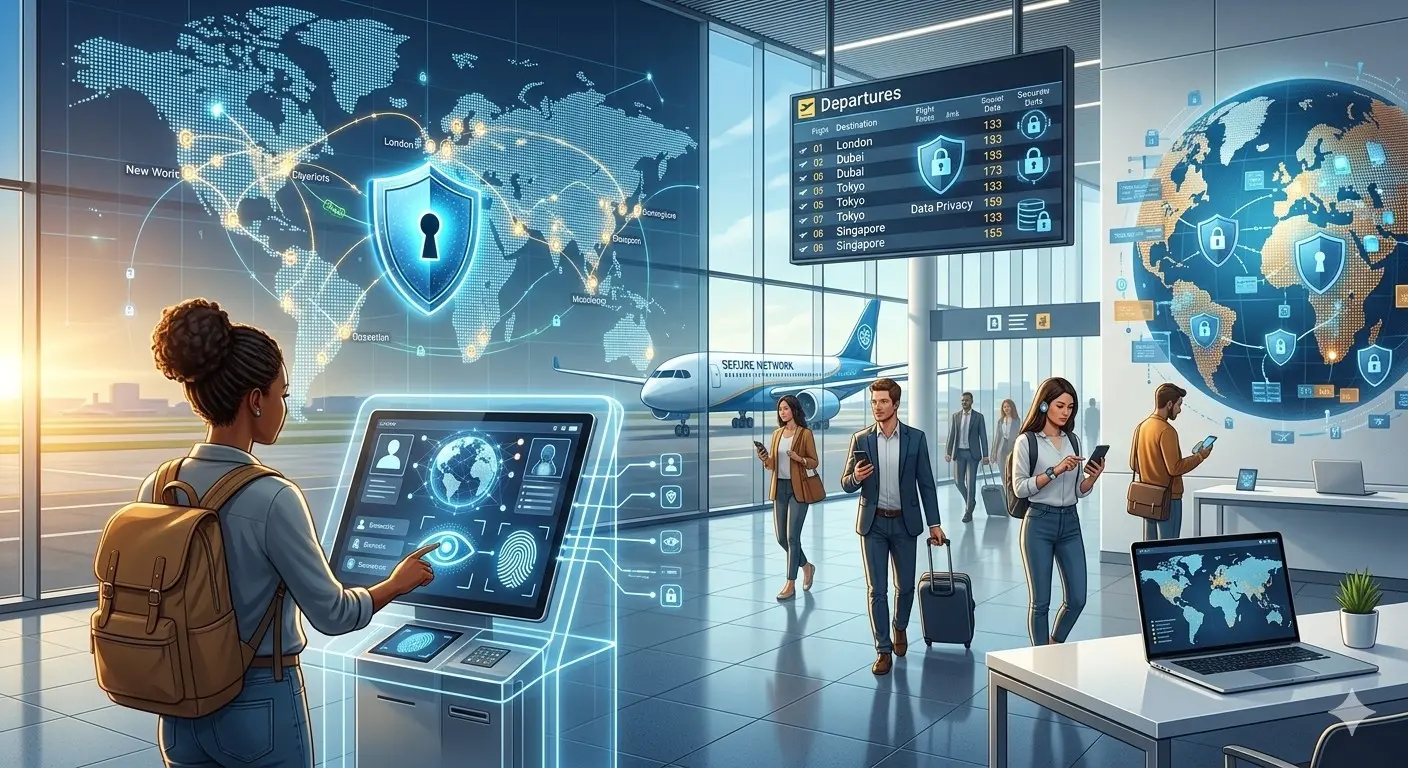
Data privacy is no longer a side issue in tourism. It’s becoming one of the biggest factors influencing how airlines, hotels, travel apps, and booking platforms operate across borders. Travelers now expect convenience without sacrificing personal data, and businesses that ignore that shift are already losing trust.
The global tourism industry is changing because travelers want more control over how their personal information is collected, stored, and shared. Stronger privacy laws, rising cybersecurity threats, and growing consumer awareness are forcing tourism brands to redesign customer experiences, booking systems, loyalty programs, and digital marketing strategies.
Why Data Privacy Is Reshaping the Global Tourism Industry isn’t just another technology discussion. It’s about trust. Every time you book a hotel, upload a passport copy, check into an airport kiosk, or use a travel app, your personal data moves through multiple systems. Most travelers probably don’t realize how much information gets collected during a simple vacation.
Here’s the thing: tourism runs on data. Airlines need identity details. Hotels track preferences. Travel agencies analyze customer behavior. But travelers in 2026 are becoming far more cautious about who handles that information and how securely it’s protected. That shift is changing the tourism business faster than many companies expected.
What Is Data Privacy in Tourism?
Definition Box:
Data privacy in tourism means protecting travelers’ personal information from misuse, unauthorized access, or unnecessary collection while they book, plan, and experience travel services.
Tourism businesses collect massive amounts of sensitive data every day. That includes:
Passport details
Payment information
Travel history
Location tracking
Biometric verification
Customer preferences
Loyalty program behavior
What most people overlook is that tourism companies often share this data across multiple vendors and systems. A single international trip may involve airlines, hotels, insurance providers, booking engines, immigration systems, transportation apps, and marketing platforms.
That creates risk.
A traveler may trust one company but unknowingly expose data to several third parties during the booking process.
In my experience, many travel businesses spent years focusing almost entirely on convenience and personalization while assuming customers wouldn’t care much about privacy. That assumption no longer works.
Why Data Privacy Matters in 2026
Data privacy has become a competitive advantage in tourism. Not just a legal checkbox.
Travelers are paying attention to security breaches more than ever. Large-scale leaks involving hotel chains, airline systems, and travel booking platforms have made consumers more skeptical. Some people now choose travel providers specifically based on transparency and security reputation.
That’s a huge change from even five years ago.
Several major trends are driving this shift:
Travelers Are More Privacy-Aware
People understand digital tracking better now. They know travel apps collect browsing behavior, GPS locations, and spending habits. Younger travelers especially tend to question excessive data collection.
A surprising number of customers abandon bookings when websites ask for unnecessary information. That’s the counterintuitive part many tourism brands still miss. More personalization doesn’t always increase trust. Sometimes it does the opposite.
Global Privacy Regulations Are Expanding
Countries around the world continue tightening privacy laws. Tourism businesses operating internationally must now comply with multiple legal standards at once.
A hotel chain serving European travelers, for example, may need stricter consent systems than before. International tourism companies are spending heavily on compliance teams, cybersecurity tools, and secure data infrastructure.
That affects everything from online press release distribution campaigns to loyalty marketing systems.
Cybersecurity Threats Are Increasing
Tourism businesses are prime targets for cyberattacks because they store valuable financial and identity information.
Hackers know travel platforms contain:
Credit card details
Passport scans
Customer itineraries
Contact databases
One breach can destroy years of customer trust.
I’ve seen smaller travel companies underestimate this risk because they assume attackers only target giant corporations. That’s rarely true anymore.
AI and Personalized Tourism Raise New Concerns
Modern tourism increasingly relies on artificial intelligence and predictive analytics. Travel apps recommend destinations, track preferences, and personalize offers using behavioral data.
Useful? Absolutely.
But travelers are starting to ask uncomfortable questions:
How much data is too much?
Who owns travel behavior data?
Are companies selling personal information?
How long is the data stored?
Those questions are reshaping digital marketing services across tourism-related businesses.
How Tourism Companies Are Adapting — Step by Step
Tourism brands that want long-term customer trust are changing how they handle personal data. Here’s the process many companies are following in 2026.
1. Reducing Unnecessary Data Collection
Many businesses now collect only essential information during bookings.
Instead of asking for excessive profile details upfront, companies wait until information is genuinely needed. This approach often improves customer confidence and reduces abandonment rates.
Oddly enough, simpler forms sometimes convert better.
2. Improving Transparency
Travelers want clarity. They don’t want hidden tracking practices buried inside long policies nobody reads.
Companies are rewriting privacy policies in plain language and offering clear consent options. Some even provide dashboards where travelers can manage or delete stored data.
That level of openness builds trust surprisingly fast.
3. Investing in Better Cybersecurity
Tourism companies are spending far more on encrypted payment systems, identity verification, and fraud detection.
Hotels, airlines, and booking platforms are also training employees to identify phishing attempts and security vulnerabilities. Human error still causes many breaches.
Here’s what most guides miss: technology alone doesn’t solve privacy problems. Staff behavior matters just as much.
4. Limiting Third-Party Data Sharing
Many tourism brands are becoming more selective about partnerships with advertisers and external vendors.
For years, travel companies shared customer information broadly to improve targeting and marketing performance. Now they’re being forced to reconsider those practices.
Some businesses are shifting toward privacy-first SEO services and contextual advertising instead of aggressive behavioral tracking.
5. Building Privacy Into Customer Experience
Privacy is increasingly becoming part of brand identity.
Travel companies now promote secure booking systems, ethical data practices, and transparency as selling points. That messaging appears across websites, PR distribution services, and customer support channels.
Trust itself has become marketable.
A Realistic Example of Privacy Concerns in Tourism
Imagine a traveler booking a two-week international vacation.
They reserve flights through one platform, hotels through another, buy travel insurance, use ride-sharing apps, and download local tourism guides. Along the way, their personal information gets copied into multiple databases.
Now imagine one of those smaller vendors suffers a breach.
Suddenly, passport information, payment details, and travel schedules are exposed.
That scenario isn’t hypothetical anymore. It happens regularly across industries connected to travel.
Because of this, travelers increasingly prefer businesses that clearly explain how customer information is protected.
The Unexpected Shift: Privacy Can Improve Marketing
Most people assume stricter privacy rules hurt tourism marketing.
Honestly, I think the opposite is starting to happen.
When businesses rely less on invasive tracking, they’re forced to improve actual customer experience. Better content, clearer communication, stronger branding, and trust-based relationships become more valuable.
That’s healthier for the industry long term.
Travel companies focusing on authentic customer relationships often see stronger retention than those depending heavily on aggressive behavioral targeting.
In many cases, travelers willingly share information when they feel respected.
That distinction matters.
Expert Tips: What Actually Works
Businesses in tourism often overcomplicate privacy strategy. Here’s what tends to work best from what I’ve seen.
Keep Data Requests Minimal
Ask only for what you genuinely need. Travelers notice when forms feel intrusive.
Explain Why Information Is Collected
People are more cooperative when companies clearly explain the purpose behind data collection.
Make Security Visible
Customers feel safer when websites openly discuss encryption, payment security, and privacy protection.
Train Staff Properly
A secure system means little if employees mishandle customer information.
Build Trust Before Personalization
Personalized tourism experiences work better after trust exists. Not before.
Why Smaller Tourism Businesses Face Bigger Challenges
Large travel brands usually have dedicated cybersecurity budgets. Smaller tourism businesses often don’t.
Independent hotels, local travel agencies, tour operators, and regional booking companies may struggle to afford advanced security infrastructure. Yet they still collect highly sensitive information.
That creates a difficult situation.
Smaller operators must balance affordability with security expectations. Many are now turning to affordable SEO company partnerships and digital marketing agency support that also prioritize privacy-safe customer acquisition strategies.
How Data Privacy Impacts Tourism Marketing
Tourism marketing is changing rapidly because privacy regulations reduce tracking capabilities.
Businesses can no longer rely entirely on third-party cookies or detailed behavioral profiling. That pushes marketers toward:
Content-driven SEO ranking strategies
Email marketing with stronger consent practices
Contextual advertising
Organic traffic growth
First-party customer relationships
Interestingly, many tourism brands are discovering that transparent marketing performs better over time than overly aggressive personalization.
Trust converts.
People Most Asked About Data Privacy in Tourism
Why is data privacy important in tourism?
Tourism businesses handle highly sensitive customer information including passports, payments, and travel history. Poor privacy protection can lead to identity theft, financial fraud, and loss of customer trust.
Are travel apps collecting too much personal data?
In some cases, yes. Many travel apps track location, preferences, browsing behavior, and purchase history. Travelers are becoming more cautious about apps requesting excessive permissions.
How can travelers protect their personal information?
Use secure networks, enable two-factor authentication, avoid public Wi-Fi for payments, and review privacy settings before using travel apps or booking platforms.
Do privacy laws affect international tourism companies?
Absolutely. Global tourism businesses must comply with multiple international privacy regulations, especially when handling cross-border customer data.
Can strong privacy policies improve tourism business growth?
Yes. Travelers increasingly prefer brands they trust. Strong privacy practices can improve loyalty, customer retention, and brand reputation.
Is biometric technology safe for tourism?
Biometric systems can improve efficiency and security, but they also raise concerns about long-term storage and misuse of sensitive identity data.
Will privacy concerns slow down tourism technology?
Probably not. Technology will continue growing, but businesses will need to balance innovation with responsible data handling.
Final Thoughts
Why Data Privacy Is Reshaping the Global Tourism Industry comes down to one thing: trust now influences travel decisions almost as much as price and convenience. Travelers want smoother digital experiences, but they also want control over their personal information.
Tourism businesses that treat privacy as part of customer service — not just legal compliance — will probably build stronger long-term relationships. Companies that ignore this shift may struggle to keep customer confidence in the years ahead.
And honestly, that’s probably a good thing for the industry overall.
For businesses seeking stronger brand visibility, high authority backlinks, and instant publishing opportunities, our network platforms including PR Wires and Web InfoMatrix provide reliable press release distribution services, digital marketing services, and SEO-focused promotion designed to improve organic traffic and SEO ranking. Whether you’rea startup, agency, or growing business, these platforms help expand media coverage while building long-term online authority through trusted online press release distribution and performance-driven marketing solutions.