

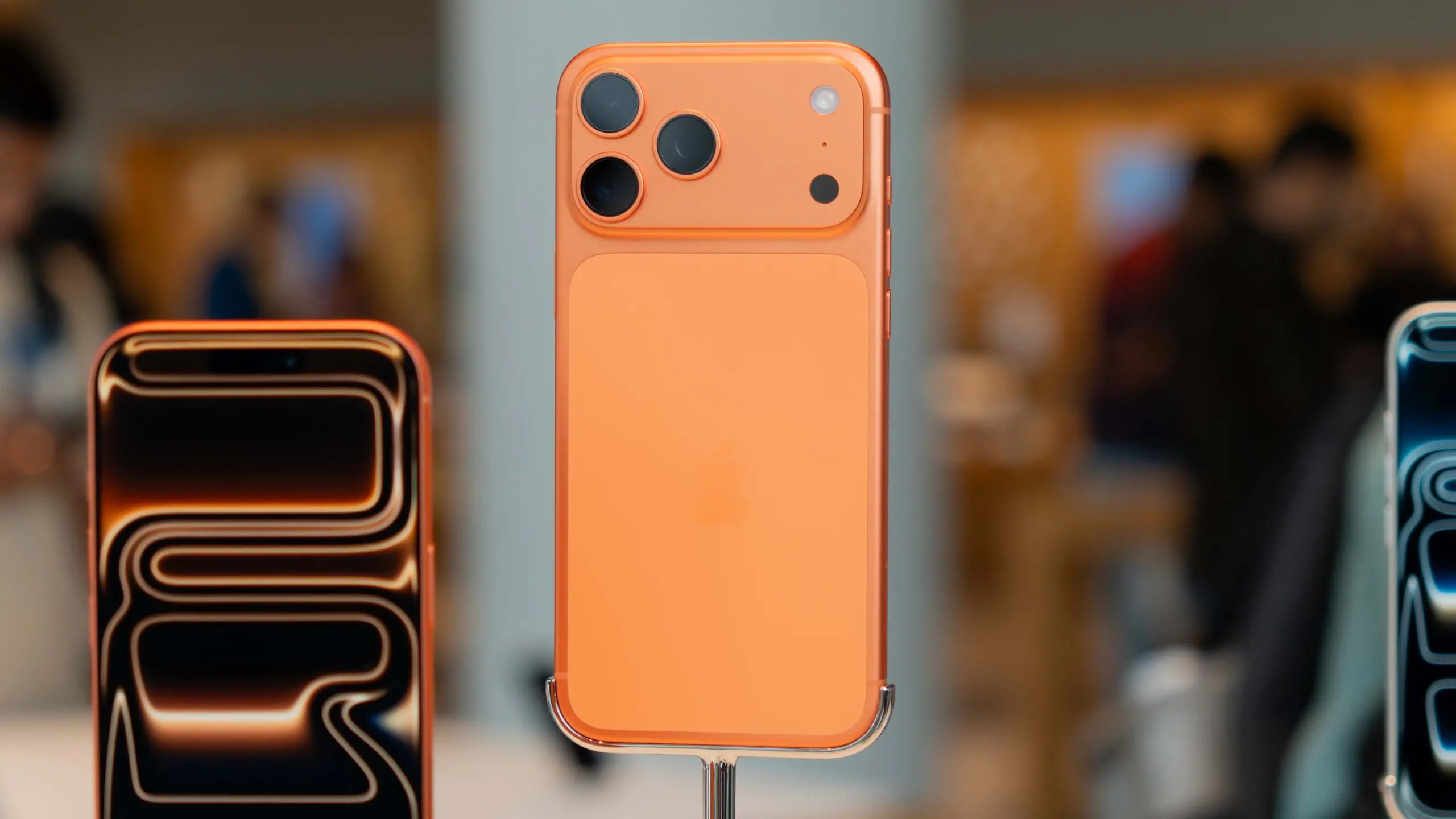
Apple is reportedly developing a new anti-theft feature for iPhones that could automatically lock the device when it is snatched from a user's hand. This move would bring a critical security enhancement to iOS, directly inspired by a similar feature already available on Android devices since the release of Android 15. The feature aims to close a gap that existing protections like Stolen Device Protection and Find My do not fully address: the moment a thief grabs an unlocked iPhone and runs off.
Current Anti-Theft Protections on iPhones
Apple already offers a robust set of security tools. Stolen Device Protection, introduced in iOS 17.3, adds extra layers of authentication for sensitive actions like changing the Apple ID password or turning off Find My when the iPhone is in an unfamiliar location. Find My itself helps locate, lock, or erase a lost device remotely. However, these measures rely on the device being locked or the owner noticing the loss and taking action. A snatch theft, where the thief physically grabs the phone while it is still unlocked and in use, bypasses these protections. The thief can immediately access apps, data, and even make purchases before the owner can react. This is precisely the vulnerability that the rumored feature would address.
How the New Feature Would Work
According to a recent report, Apple is working on a system that uses a combination of signals to detect a snatch. Primary among these is accelerometer data, which tracks sudden movements and changes in motion patterns. The iPhone’s built-in motion sensors can distinguish between normal handling and the rapid, jerky motions associated with a theft – for example, a person grabbing the phone and quickly running, biking, or driving away. Additionally, Apple may leverage the distance data from a paired Apple Watch. If the watch detects that it is moving away from the iPhone at an unnatural speed or pattern, it can help confirm that the phone has been snatched rather than simply dropped or set down. Once the system determines that a theft has occurred, it will automatically lock the iPhone, preventing unauthorized access to apps, notifications, and settings.
Comparison with Android’s Theft Detection Lock
The feature described bears a striking resemblance to Android’s Theft Detection Lock, which was introduced as part of Android 15. Google’s implementation uses artificial intelligence and motion sensors to recognize theft-like behaviors. For instance, if the phone experiences a sudden acceleration typical of someone grabbing it and sprinting away, the system triggers an immediate lock. The Android feature also includes additional protections: if the phone goes offline for an extended period (suggesting a thief may have turned it off or taken it to a remote area), or if the device detects multiple failed authentication attempts, it can lock itself or remotely wipe data. Apple’s rumored feature may incorporate similar logic, using the same rules as Stolen Device Protection to determine whether the iPhone is in a familiar place. If the snatch occurs in an unfamiliar location, the phone could not only lock but also restrict access to settings that normally require additional verification, such as changing the Apple ID password or disabling Find My.
Why This Feature Matters
Smartphone theft is a pervasive issue worldwide. According to statistics, millions of phones are stolen each year, and a significant portion of thefts occur while the device is in use—often in public spaces like cafes, public transport, or busy streets. Once a thief has an unlocked phone, they can quickly change passwords, access banking apps, impersonate the owner, and potentially cause financial and personal harm. While Find My can later locate the device, the immediate damage is already done. An automatic lock triggered by the snatch itself would give owners a crucial extra layer of protection, much like a car alarm that sounds the moment the door is forced open.
Potential Integration with Apple Ecosystem
Apple’s advantage lies in its tightly integrated ecosystem. The use of an Apple Watch for distance tracking is a natural extension, since millions of iPhone users also wear Apple Watches. The watch already communicates with the iPhone for features like unlocking the Mac, so leveraging that connection for theft detection is both logical and technically feasible. Moreover, Apple could use its machine learning capabilities to refine the detection algorithms over time, reducing false positives that might lock the phone when the owner simply drops it or hands it to someone briefly. The feature could be further enhanced by using on-device processing to respect privacy, ensuring that motion data is analyzed locally rather than sent to servers.
Development Status and Expected Release
The report indicates that the feature is under active development within Apple. However, no specific timeline for a public release has been given. It is possible that Apple could introduce it in a future beta version of iOS, perhaps with iOS 18 or a subsequent update. Given that the feature is still in development, there is always a chance that it may be delayed or changed before launch. Nonetheless, its existence suggests that Apple is paying close attention to Android innovations and is committed to improving user security.
Historical Context: Apple Borrowing from Android
While Apple is often seen as an innovator, it has a long history of adopting features that first appeared on Android. Widgets, picture-in-picture mode, and even the ability to customize the home screen were all pioneered by Android before Apple incorporated them into iOS. In this case, the theft detection lock is a direct example of cross-platform inspiration. Google’s feature itself was partly a response to increasing phone theft rates in regions like Brazil and India, where theft of unlocked devices is especially common. By adopting a similar approach, Apple is not only closing a security gap but also acknowledging the effectiveness of an open-source competitor’s solution.
Broader Implications for Smartphone Security
This feature is part of a larger trend in smartphone security moving from passive protections (like passwords and encryption) to active, behavior-based detection. As thieves become more sophisticated, relying on biometrics or simple locks is no longer enough. The use of motion sensors and AI to detect anomalies represents a new frontier. Both Apple and Google are investing heavily in on-device machine learning to anticipate threats. For consumers, this means that even if a thief manages to grab the phone, the device will fight back by locking itself before any damage can occur. It also signals that the industry is taking the problem of “snatch and grab” theft seriously, which may eventually lead to law enforcement partnerships or manufacturer-level deterrents.
Potential Challenges
No system is perfect. One challenge for Apple will be avoiding false positives. A sudden movement while jogging, skating, or even jumping could be misinterpreted as a snatch. The feature must be tuned to distinguish between a legitimate theft and normal dynamic activity. Leveraging the Apple Watch’s distance data can help, but it adds another dependency: the user must be wearing the watch. Another issue is battery consumption; continuously monitoring accelerometer data and running detection algorithms could impact battery life. Apple will need to optimize the feature to run efficiently, perhaps by using a low-power motion coprocessor as it does for step counting. Additionally, there are privacy concerns: the motion data could be sensitive, and users must be assured that it is processed securely and not shared with third parties.
What This Means for iPhone Users
For the average iPhone user, this feature would provide peace of mind, especially for those who often find themselves in crowded or high-risk environments. It would work silently in the background, activating only when needed. Combined with Stolen Device Protection and Find My, it would create a comprehensive defense against theft. Users would not need to take any extra steps to enable it—it would likely be part of a future iOS update, perhaps as an optional setting. The fact that Apple is developing it at all indicates that the company values user security and is willing to look at external solutions to improve it.
In conclusion, the rumored automatic lock for iPhones represents a significant step forward in mobile security. By closing the unlocked-device loophole, Apple is addressing one of the most common and damaging forms of smartphone theft. The feature is still in development, but its potential to automatically lock a snatched phone could make theft less rewarding for criminals. As the smartphone industry evolves, such proactive security measures will become increasingly important, and Apple’s adoption of this Android-inspired trick is a welcome development for iPhone users everywhere.
Source: Android Authority News