

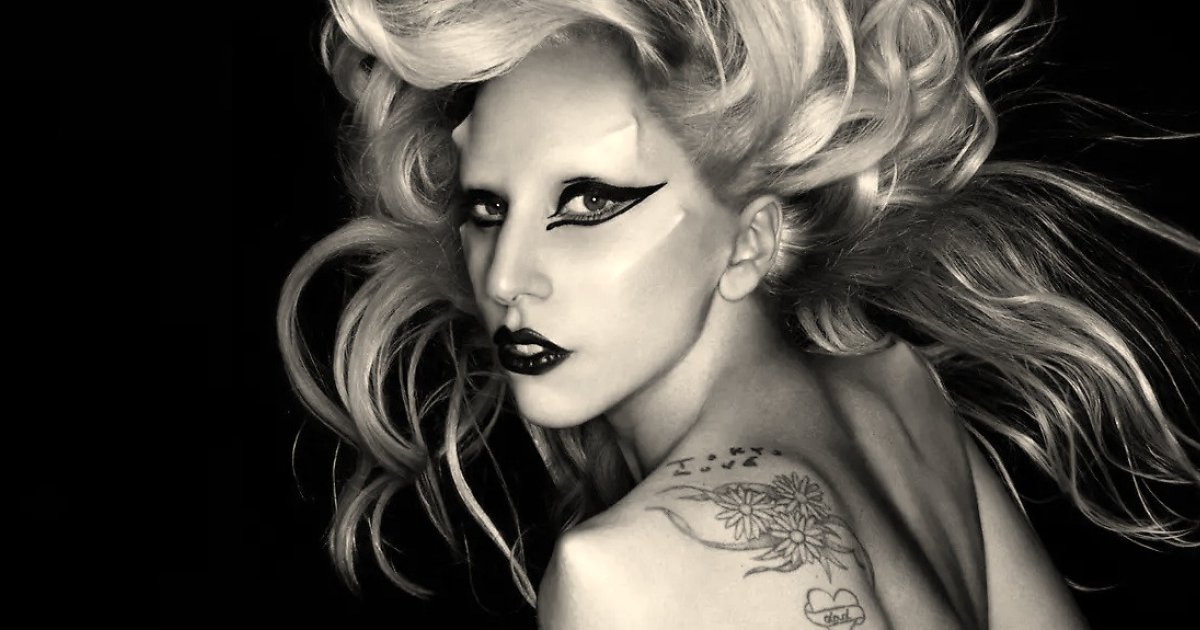
Early Career and Rise to Fame
In early 2011, Lady Gaga was at the peak of her success. At just 24 years old, she dominated global charts and had already released two critically acclaimed albums: The Fame (2008) and The Fame Monster (2009). Her early hits, such as 'Just Dance,' 'Poker Face,' 'Bad Romance,' and 'Telephone,' made her a household name and a fixture of pop culture. But beyond the catchy hooks and avant-garde fashion, Gaga was quietly building a reputation as a fierce advocate for the LGBTQ+ community. She consistently spoke out against homophobia and used her platform to demand equality, famously calling on then-President Barack Obama in 2009 to fulfill his promises on LGBTQ+ rights.
The Birth of 'Born This Way'
In February 2011, Gaga released the lead single 'Born This Way,' a bold, pulsating dance track with lyrics that explicitly celebrated diverse sexual orientations and gender identities. The song debuted at number one on the Billboard Hot 100, becoming the 1,000th number-one single in the chart’s history. It was also the first US number-one hit to include the word 'transgender.' The album, released in May 2011, expanded on these themes, blending electropop, dance, rock, and even elements of gospel and heavy metal. Gaga co-wrote and co-produced the entire record, and it sold over one million copies in its first week in the US alone.
A Milestone for Queer Visibility
'Born This Way' arrived at a time when mainstream pop music rarely tackled political or social issues so directly. Songs like 'The Edge of Glory,' 'You and I,' 'Marry the Night,' and 'Judas' pushed boundaries both sonically and thematically. 'Judas' in particular sparked controversy for its religious imagery and exploration of betrayal and redemption, while 'Hair' and 'Bad Kids' addressed the struggle for acceptance and the resilience of outsiders. The album’s overarching message was that individuality is a strength, not a weakness, and that everyone deserves to love themselves unconditionally.
Gaga’s advocacy did not stop at the music. She launched the Born This Way Foundation in 2012, focusing on youth empowerment and mental health, and she campaigned vigorously against the US military’s 'Don’t Ask, Don’t Tell' policy. Her 2011 performance at the Eurovision Song Contest and her 2012 tour further cemented her status as a global ambassador for LGBTQ+ rights.
Legacy and Continuing Relevance
Fifteen years later, the album’s influence can be seen in the work of countless artists, from Katy Perry and Kesha to Janelle Monáe and Sam Smith. It helped normalize queer themes in pop music and inspired a generation to embrace their identities proudly. Yet, as political attacks on LGBTQ+ rights have intensified in many parts of the world, the message of 'Born This Way' feels more urgent than ever. The album remains a testament to the power of music to foster community, resilience, and hope.
Today, 'Born This Way' is still a staple at Pride events and a reminder that visibility and representation matter. Lady Gaga’s willingness to risk commercial appeal for authenticity set a new standard for pop stars, proving that art can be both popular and political. The album’s title track, with its iconic line 'I’m beautiful in my way, ’cause God makes no mistakes,' continues to resonate with anyone who has ever felt marginalized.
As the world celebrates the 15th anniversary of 'Born This Way,' it’s clear that Lady Gaga’s hymn for the community has only grown in significance. The album not only defined an era but also provided a blueprint for how pop music can advocate for social change without sacrificing artistic integrity.
Source: SCHWULISSIMO.de News