

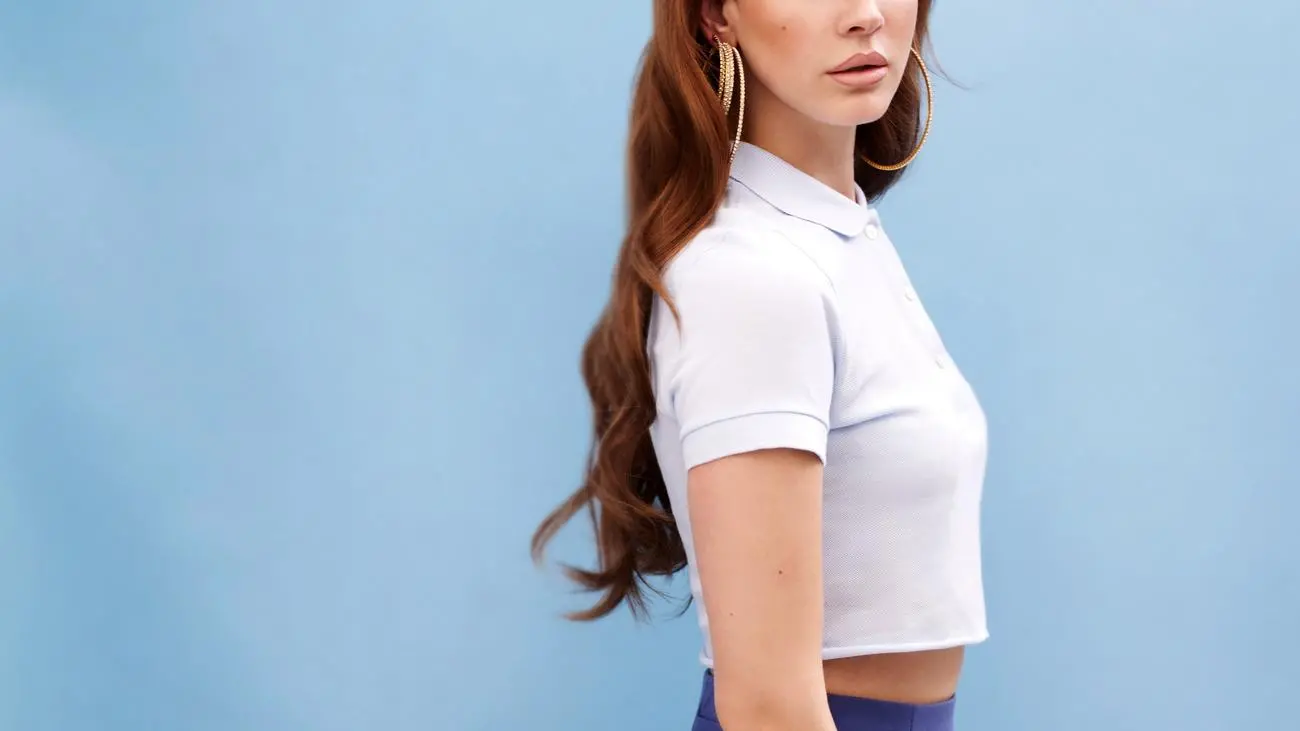
In a recent interview with Die Zeit, Lana del Rey addressed a persistent question about her public persona: whether she consciously plays the role of a tragic, Lolita-like character in her music and videos. The singer, known for her retro aesthetic and melancholic ballads, firmly denied such a characterization. "Ich spiele keine Lolita-Rolle," she stated, emphasizing that her artistic choices are not a performance of innocence or victimhood but rather a genuine appreciation for cinematic history.
The Allure of Old Hollywood
Del Rey’s image is undeniably steeped in the glamour and tragedy of mid-20th-century cinema. From her carefully styled victory rolls to the sepia-toned, soft-focus visuals of her music videos, she evokes a bygone era. In the interview, she clarified that this is not a superficial gimmick but a deep emotional connection. "Ich mag Dinge aus der Vergangenheit, weil sie mich dorthin zurückbringen," she explained. Yet, she insisted that the influence is not as overwhelming as critics suggest. "Trotzdem ziehe ich daraus nicht so viel Inspiration, wie Sie vielleicht glauben. Das alte Hollywoodkino ist nur ein Einfluss unter vielen, ein traditionelles Make-up, das ich trage."
This nuance is crucial to understanding del Rey's work. Her songs often inhabit a dreamlike space where modern heartbreak meets the romanticism of a 1950s film score. The sweeping strings, the dramatic crescendos—these are not merely stylistic choices but tools to create a world that feels more epic than everyday life. "Mir gefällt aber, wie diese Filme gemacht sind: so episch, hinreißend. Ich wünschte mir, das echte Leben wäre genauso," she said, revealing a longing for a reality that is as beautifully composed as the movies she admires.
Career Highlights and Evolution
Lana del Rey (born Elizabeth Woolridge Grant) first burst onto the scene in 2011 with the viral single "Video Games," a haunting ballad that immediately divided audiences. Some hailed her as a fresh, noir-influenced voice, while others accused her of glamorizing a submissive, victimized femininity. Her debut album Born to Die (2012) consolidated this image with hits like "Summertime Sadness" and "Blue Jeans," featuring lyrics about bad boys and doomed relationships. The album’s production, heavy on orchestral arrangements, cemented her signature sound.
Over the following decade, del Rey released a string of critically acclaimed albums that evolved in theme and sound. Ultraviolence (2014) saw a darker, rock-influenced turn, while Honeymoon (2015) returned to her earlier dream-pop. Lust for Life (2017) introduced a more hopeful tone, partly inspired by the political climate and her own personal growth. Perhaps her most ambitious work came with Norman Fing Rockwell! (2019), a sprawling, poetic album that earned her widespread critical praise and Grammy nominations. The album explored themes of America, fame, and disillusionment, with producer Jack Antonoff helping to refine her sound.
The Lolita Controversy
The term "Lolita" has followed del Rey throughout her career, often used by critics to describe her persona as a sultry, childlike seductress. The label draws on the Nabokov novel about a middle-aged man’s obsession with a young girl, a comparison that del Rey finds reductive. In the interview, she rejected this pigeonholing, pointing out that her music and image are more complex and self-aware. She has frequently written about toxic relationships and emotional vulnerability, but always with a degree of control and authorship. "I’m interested in the darkness of desire, but not from the perspective of a victim," she has said elsewhere.
Indeed, del Rey’s lyrics often place her as the narrator who survives or at least articulates her own pain. Songs like "The Other Woman" and "Shades of Cool" explore infidelity and heartache with a knowing sadness. The cinematic references—Marilyn Monroe, James Dean, and old Cadillacs—serve as cultural shorthand for a certain kind of tragic beauty. By denying the Lolita role, del Rey insists on her agency: she is not a passive object of fantasy but an artist who consciously uses these motifs to create a specific aesthetic.
Musical Influences and Artistic Depth
Beyond the retro surface, del Rey’s music draws from a wide array of genres: hip-hop, trip-hop, indie folk, and even jazz. She has cited artists like Bob Dylan, Leonard Cohen, and Kurt Cobain as influences. Her vocal style, often described as sultry or haunting, is deliberately crafted to evoke a sense of nostalgia and melancholy. In the interview, she downplayed the extent of her vintage obsession, suggesting that her creative palette is richer than the "old Hollywood" label implies. Her albums Chemtrails over the Country Club (2021) and Blue Banisters (2021) explored Americana and personal introspection, moving away from the filmic grandeur of earlier work.
Del Rey’s refusal to be easily categorized has kept her relevant in an industry that often demands clear branding. She has been both criticized and celebrated for her frank discussions of mental health, her changing appearance, and her sometimes controversial statements on feminism and race. Through it all, she has maintained a loyal fanbase who appreciate her emotional honesty and her ability to transform personal experience into art.
The Desire for an Epic Life
Returning to the core of the interview, del Rey’s comment about wishing real life could match the epic quality of old films reveals a deep-seated romanticism. She is not merely nostalgic but uses art to fill a void where reality falls short. This sentiment resonates with many listeners who find solace in her music’s ability to make ordinary emotions feel monumental. "I think we all want to be the hero of our own story," she seems to suggest. By weaving together vintage imagery, soaring strings, and vulnerable lyrics, she creates a world where heartbreak is beautiful and longing is poetic.
In an era of hyper-authenticity and stripped-down pop, Lana del Rey’s commitment to artifice—in the best sense of the word—stands out. She proves that a carefully constructed persona can be just as genuine as one that appears unvarnished. Her interview with Die Zeit serves as a reminder that artists are not to be reduced to the roles others assign them. She is not a Lolita, not a tragic heroine, but a woman who uses the language of cinema to express her own truth. As her career continues to evolve, one thing remains certain: Lana del Rey will never stop reaching for the epic, even if real life never quite measure up.
Source: DIE ZEIT News