

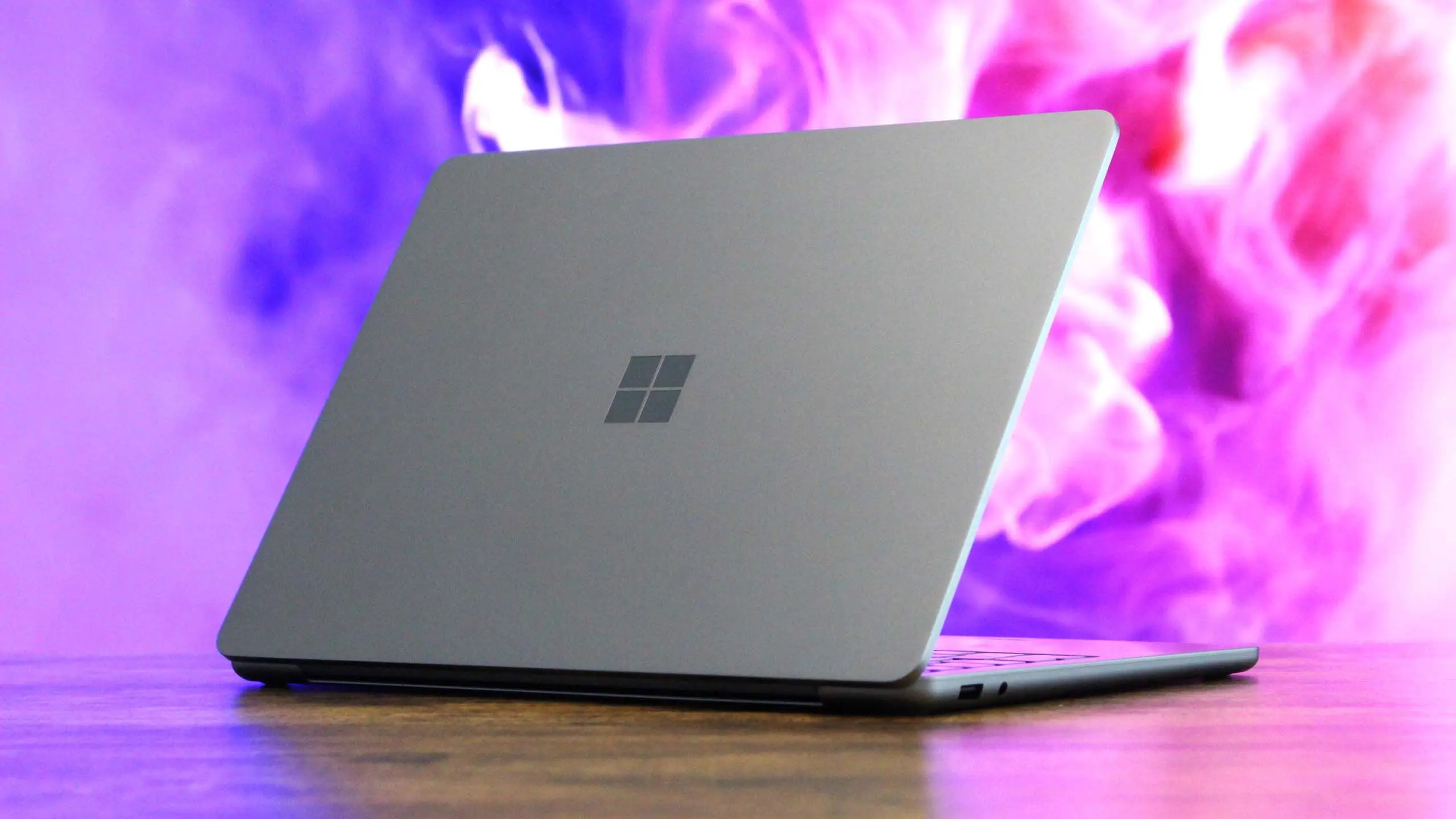
Microsoft's Strategic Retreat: Reviving 8GB RAM Surface Laptop
In a surprising turn of events, Microsoft has decided to reintroduce the Surface Laptop with 8GB of RAM, a configuration it had previously discontinued in favor of higher memory options. The decision, driven by a global RAM shortage and soaring prices, marks a significant shift in the company's hardware strategy. According to industry sources, Microsoft is struggling to keep the Surface Laptop affordable while also ensuring its new devices meet the stringent requirements of the Copilot+ PC program—a set of specifications designed to optimize performance for Microsoft's AI-powered Copilot features.
The move has raised eyebrows among tech enthusiasts and analysts, as the 8GB model was originally phased out to align with the increasing demand for multitasking and AI workloads. However, the current RAM crisis has made it prohibitively expensive to equip all models with 16GB or more, forcing Microsoft to cater to budget-conscious consumers who still rely on 8GB for everyday tasks.
The RAM Crisis: Global Shortage and Price Surge
The semiconductor industry has been grappling with a severe shortage of DRAM chips for over two years. Factors such as the COVID-19 pandemic, geopolitical tensions, and increased demand from data centers and automotive sectors have strained supply chains. As a result, the price of RAM modules has skyrocketed, making it difficult for PC manufacturers to offer high-memory configurations without passing on significant costs to consumers.
Microsoft's Surface division, known for its premium pricing, is particularly vulnerable to these fluctuations. The company had hoped to standardize on 16GB for its Surface Laptop lineup, but the RAM crisis has forced a rethink. By bringing back the 8GB variant, Microsoft can offer a more affordable entry point while reserving higher-end models for power users.
Copilot+ PC Requirements: A New Benchmark
Microsoft's Copilot+ PC initiative, announced earlier this year, defines a set of minimum hardware requirements to ensure a seamless experience with the Copilot AI assistant. These include at least 16GB of RAM, a specific Qualcomm or AMD processor with neural processing units (NPUs), and fast SSD storage. The goal is to enable real-time AI tasks like voice commands, image generation, and contextual input suggestions.
However, the new 8GB Surface Laptop fails to meet these requirements, meaning it will not carry the Copilot+ PC branding. This is a notable departure from Microsoft's earlier stance that all future Surface devices would embrace AI-ready specifications. Analysts speculate that the decision reflects a pragmatic approach: sacrificing the badge in exchange for maintaining market share in a price-sensitive segment.
Surface Laptop Lineup: Historical Context
Microsoft first introduced the Surface Laptop in 2017 as a sleek, lightweight alternative to traditional laptops. Over the years, it has evolved through multiple generations, with each iteration offering improved processors, displays, and build quality. The 8GB RAM option was a staple for base models until the company decided to bump it to 16GB in 2023, citing the growing demands of modern software.
That decision was met with mixed reactions. While power users welcomed the extra memory, budget buyers criticized the higher entry price. The latest reversal suggests that Microsoft is listening to customer feedback and adapting to market realities.
Consumer Impact and Market Reactions
For consumers, the return of the 8GB Surface Laptop means a lower price point, likely starting under $1,000. This could attract students, professionals on a budget, and users who primarily browse the web, use office applications, and stream content. However, those who need to run AI-powered features like Copilot or heavy multitasking will still need to opt for the 16GB model.
Reactions from industry observers have been mixed. Some applaud Microsoft for flexibility, while others criticize the company for releasing a device that is not fully optimized for its own AI ecosystem. Meanwhile, competitors like Dell, HP, and Lenovo are also struggling with RAM shortages, but they have responded by offering more diverse configurations rather than forcing a single standard.
Technical Considerations: Is 8GB Still Enough?
The debate over whether 8GB of RAM is adequate for modern computing continues. For basic tasks, it remains sufficient, but as applications become more memory-hungry—especially with the rise of AI features—the threshold is shifting. Windows 11 itself recommends 4GB, but with multiple browser tabs, video calls, and productivity tools, 8GB can feel cramped. Microsoft's own Edge browser with AI integration can easily consume 2GB or more.
Nevertheless, for a large segment of the population, 8GB is still viable, especially if they upgrade storage or use cloud-based services. Microsoft is betting that this group will accept the trade-off for a lower price.
The Future of Surface and Copilot
Looking ahead, Microsoft is likely to continue investing in its Copilot+ PC initiative, but it may also expand the definition to include tiered specifications. The company has hinted at future updates that could allow 8GB devices to access some Copilot features through cloud offloading, similar to how ChatGPT operates on low-end hardware.
For now, the decision to bring back the 8GB Surface Laptop is a stopgap measure. The RAM crisis is expected to ease in 2025, but until then, Microsoft must balance innovation with affordability. The company's next generation of Surface devices, reportedly featuring Qualcomm's Snapdragon X Elite chips, will likely push the AI narrative further, but they will also come at a premium.
Background: The Rise of AI PCs
The PC industry is undergoing a transformation driven by artificial intelligence. Intel, AMD, and Qualcomm are all developing processors with dedicated NPUs to handle AI workloads locally. Microsoft's Copilot+ PC is part of this trend, aiming to create a new category of devices that can run AI efficiently without relying on the cloud.
However, the transition is slow and costly. Many consumers are still using older laptops that lack NPUs, and the RAM requirements for local AI models are steep. Microsoft's move to reintroduce 8GB RAM may seem counterintuitive, but it reflects the reality that not everyone needs—or can afford—the latest AI features.
Comparison with Surface Laptop Competitors
Apple's MacBook Air, a key competitor, offers 8GB RAM as standard but can be configured up to 24GB. Apple's M3 chip's unified memory architecture allows 8GB to perform more efficiently than traditional DDR4 RAM, but the base model still struggles with heavy tasks. Similarly, many Windows laptops in the same price range use 8GB as the entry point. By bringing back the option, Microsoft aligns with industry norms while preserving its premium image for higher configurations.
Conclusion of the Analysis (No Final Section)
The return of the Surface Laptop with 8GB RAM is a calculated response to market pressures. While it may disappoint some AI enthusiasts, it ensures that Microsoft's hardware remains accessible in a volatile economic climate. The ongoing RAM crisis and the evolving requirements of Copilot+ PC will continue to shape Microsoft's product strategy. For now, users have a choice—and in today's market, choice is a valuable commodity.
Source: Windows Central News